All Episodes
Practical Guide To Real Wine Tasting- Part Two
We take you on a fast, flavorful tour of terroir—where soil, climate, and human choices turn grapes into recordings of place and time—and show you how to hear the song each wine is singing.
Practical Guide To Real Wine Tasting- Part One (Voices 1)
Ever wonder why the same wine tastes flat one night and thrilling the next? We slow the pace, strip out the snobbery, and show how small choices—rim thickness, bowl shape, headspace, and temperature—unlock a bottle’s soul. From the first quiet nose to the final echo of the finish, we walk through a clear, repeatable method that turns drinking into true tasting. Then we correct serving myths. Fridge-cold whites go numb; let them wake at 50°F. Modern “room temperature” cooks reds; a short chill to 60–65°F tightens tannins and brightens fruit. We demo a clean foil cut below the drip ring, the silent cork pull that preserves aromatics, and the ah-so save for fragile, decades-old corks. Scent leads taste, so we map it. Log a first nose, swirl to release esters. Then read the layers—primary fruit and flowers, secondary notes from yeast and oak, and tertiary complexity from age. In the mouth, we separate fruitiness from sweetness, use the jawline “drool test” for acidity, feel tannin as texture, gauge body from skim to cream, and time the finish for quality. We show that ritual isn’t pretension, it’s attention. Give the wine space, air, and patience, and it will tell you where it’s from and what the season gave. If this helped you taste with clarity, please subscribe, share it with a friend who loves wine, and leave a quick review to help others find the show. What part of your ritual will you change first?
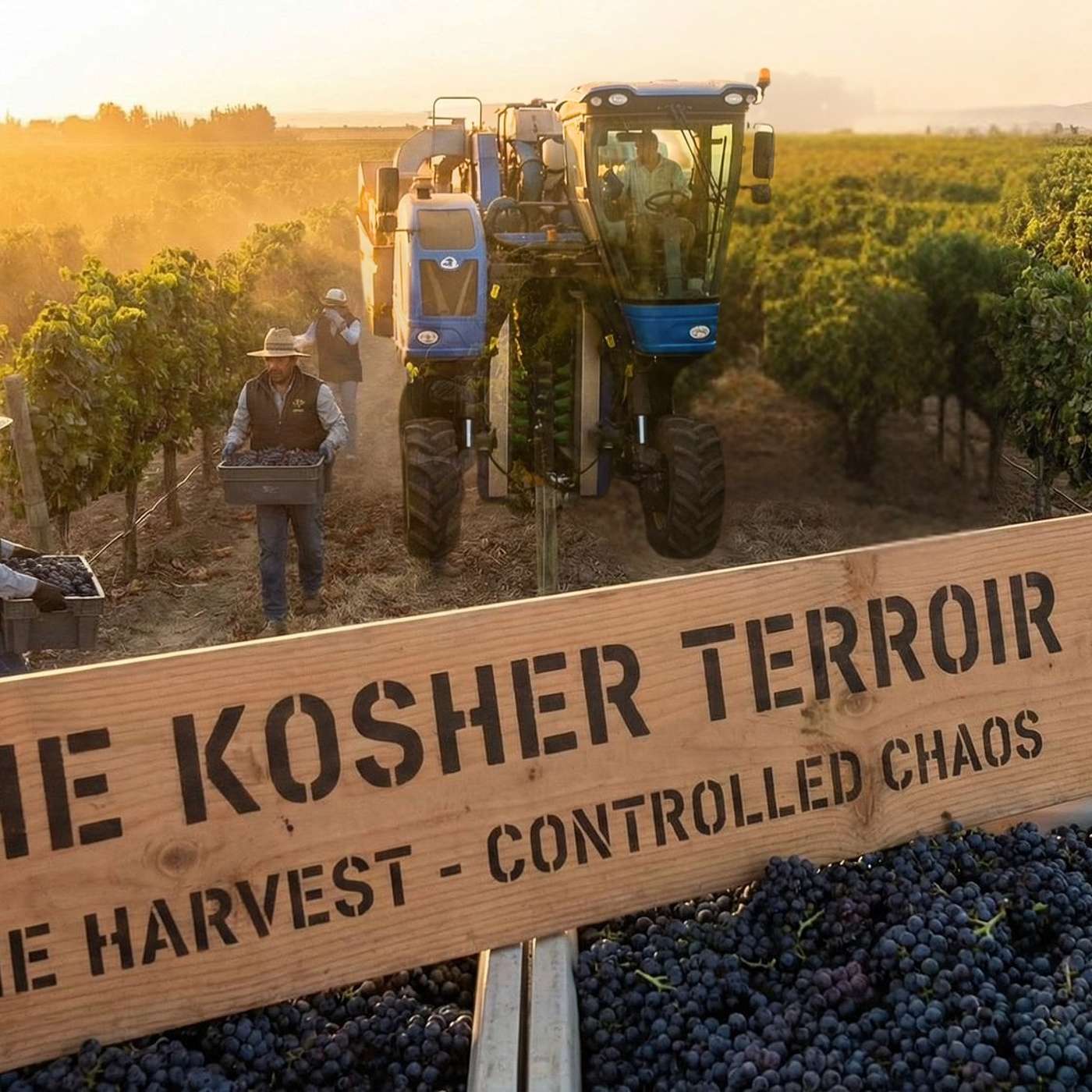
The Harvest - Controlled Chaos (Voices 2)
Four words change everything: “The seeds are brown.” From that moment, we trade weather apps and pruning shears for clipboards, tank maps, and a race against heat, rot, and the calendar. We walk you through the split-second calls that can turn a year of work into greatness or disappointment, and why kosher winemaking adds a layer of choreography few outside the cellar ever see. We start at veraison, when grapes shift from camouflage to sugar magnets, and the whole world wants a bite—boars smashing fences, jackals chewing irrigation, and starlings pecking holes that invite yellow jackets and acetic bacteria. With pre-harvest intervals blocking sprays, the only defenses left are timing and tough choices. Lab numbers guide us, but they don’t outrun psychological immaturity, so we lean on sensory skills: pulp release, skin chew, and seed lignification. When the data and the palate finally align, the call goes out, and the vineyard becomes a night city of headlamps, shears, and humming harvesters. Then comes the crush pad gauntlet: holiday shutdowns stacking trucks down the road, hot fruit accelerating oxidation and wild ferment, and triage that prioritizes fragile whites. We pull back the curtain on cold rooms, flash chilling, and the precise dance that begins once juice appears and kosher law hands control to Jewish operators. Every bottle holds this tension: science and intuition, speed and patience. If you’ve ever wondered how timing, temperature, and faith shape what’s in your glass, subscribe, share with a wine lover, and leave a review.
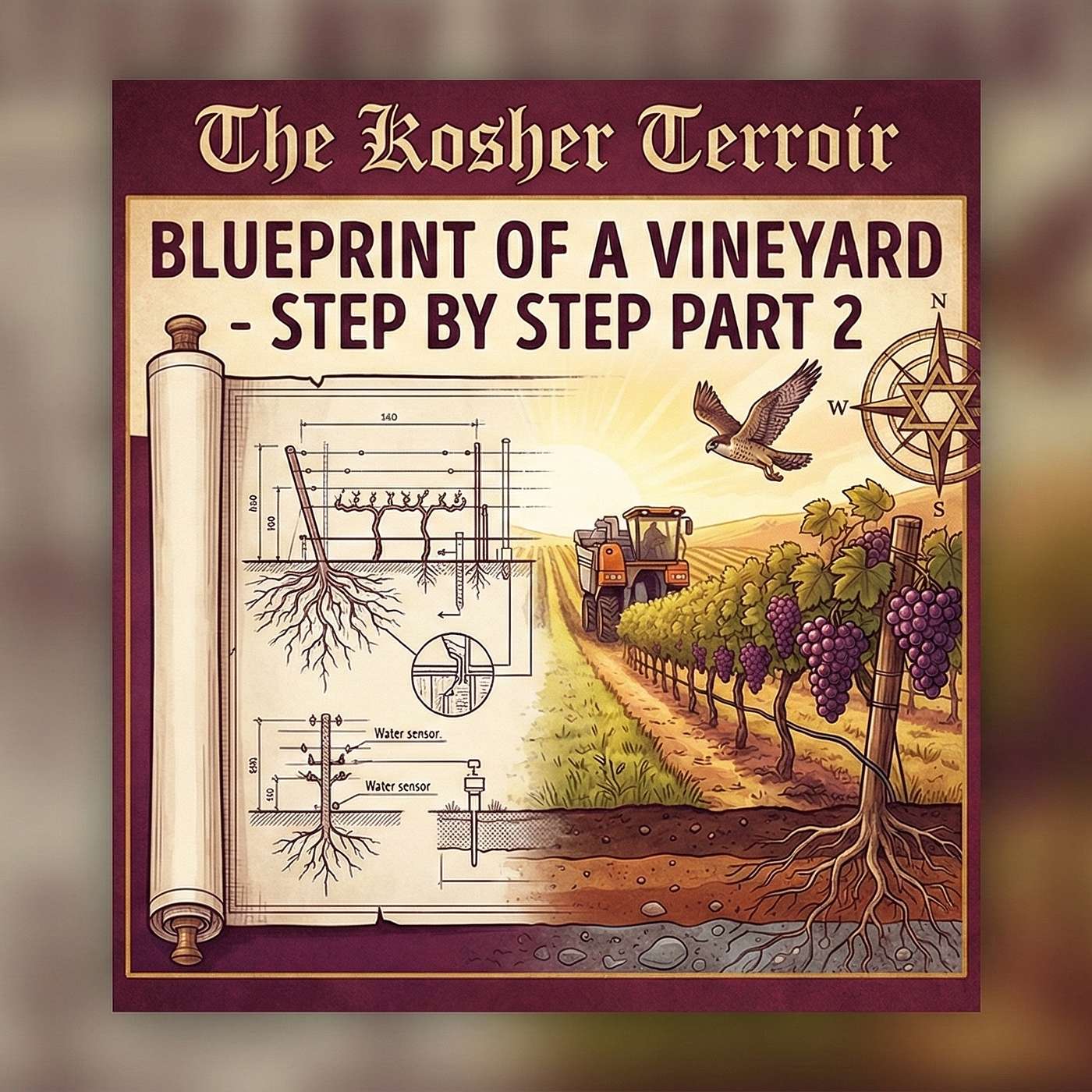
Blueprint of a Vineyard - Step by Step Part 2 (Voices 1)
Welcome back to The Kosher Terroir –Vineyard Creation Step by Step Part 2 Last week we stood on a bare, scrubby hillside. There was nothing here but potential and risk. Now? Look around. We analyzed the Macro-Terroir , hunting for that perfect intersection of altitude and latitude where the nights are cool enough to save the acid. We dug into the Soil , choosing the drainage of gravel or the muscle of clay, understanding that we aren't just planting in dirt—we are planting in a chemical pantry. We engineered the Genetics , welding the engine of a drought-resistant rootstock to the chassis of a specific Cabernet clone, creating a biological machine designed for this exact hill. We built the Skeleton , twisting the trellis to hide the fruit from the blistering afternoon sun while catching the gentle morning rays. The Vineyard is built. The vines are growing. Now, the game changes. We move on from Architecture to Management. We take you from canopy surgery that strips leaves on the cool east side to protective shade on the scorching west, cutting disease risk and burning off green, vegetal notes. Then we defend the ripening fruit: clever decoys, thunderous propane cannons, and the elegant terror of falconry. Water becomes strategy, not charity. We talk root training for resilience and regulated deficit irrigation that nudges vines from leafy comfort into focused ripening. With NDVI drone maps, variable rate irrigation, sap flow sensors, and dendrometers, the vineyard turns into a living dashboard. But data is only as good as the judgment behind it, which is where the real drama lives: the agronomist who wants health, the grower who needs tonnage, and the winemaker who chases intensity. Their standoff peaks at green harvest—cutting half the fruit to raise the rest—until aligned contracts and a decade of block‑by‑block archives turn conflict into craft. We also open a window into kosher viticulture through Orla, the three‑year wait that forces patience and humility. Hearing how fruit is cut and left to return to the soil reframes ownership and time. When year four arrives, the berries tell a new story—browned seeds, firm skins, blackcurrant and spice—signaling that the blueprint has come alive and harvest can begin. This journey blends vineyard management, precision agriculture, and faith into one clear takeaway: great wine is born where light, water, protection, and people finally agree. If this deep dive into canopy management, bird control, smart irrigation, and the human side of winemaking resonates, follow the show, share it with a friend, and leave a quick review so more wine lovers can find us. For more Information: ANAVA VINEYARDS Nadav & Moriah Jesselson Address: 7 Hacharuv St. Nechusah, 9988300 Israel Email: info@anavavineyards.com Questions or to Visit: Racheli Arieli +972(0)50-717-5479
Blueprint of a Vineyard - Step by Step Part 1 (Voices 1)
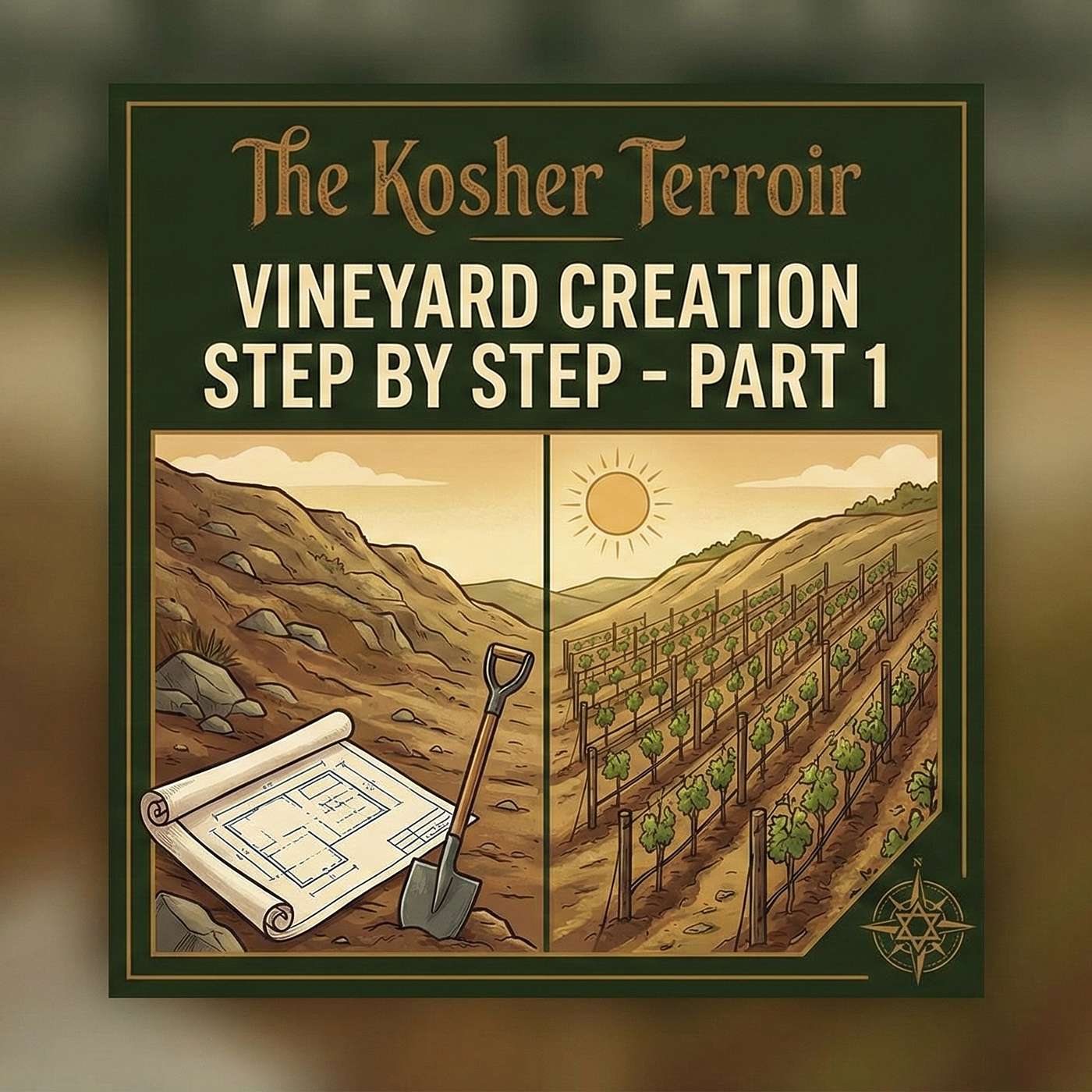
Start with a blank hillside and imagine building flavor from the ground up. That’s our approach as we step into the vineyard and treat terroir like architecture—every choice about climate, soil, genetics, and geometry locked in for decades, with no cellar fix to save a bad foundation. With the added weight of Orla delaying fruit for years, kosher wine demands that we get the blueprint right before a single root touches the soil. We zoom out to Macro Terroir and translate climate into chemistry using growing degree days, altitude, and the diurnal swing that preserves acidity. Then we let the landscape do its work: slopes for drainage and airflow, aspects that dial power or finesse, and coastal influence and wind that can both protect and stress. From there, the ground beneath our boots becomes a toolkit. Soil physics drives deep rooting and concentration; soil chemistry fine-tunes metabolism. Limestone’s calcium preserves brightness by blocking potassium uptake. Clay lays down muscle and tannin. Volcanic substrates drain fast and often yield savory tension and a hint of salinity. Genetics turn the site into a tailored machine. Rootstocks become our transmission: 1103P for drought, 41B for active limestone, SO4 to restrain wild vigor. Scion clones shape voice and texture. We’re blending in the field long before we blend in the cellar. Finally, we set north–south rows for even light, tight or wide spacing to manage competition and mechanization, and trellis decisions that create microclimates. By the end, you’ll see why great wine is engineered, not simply grown. If you’re a wine lover, student, or just a curious drinker, this is a masterclass in how altitude, aspect, soil, rootstock, and trellis design shape acidity, tannin, aromatics, and longevity—especially vital for kosher wineries operating under unique timelines and constraints. Enjoy the blueprint, then join us next week as we manage the canopy and fine-tune the skin. If this deep dive gave you a new way to see the vineyard, subscribe, share the show with a wine-loving friend, and leave a review telling us which vineyard choice you’d optimize first.
Twelve Decisions That Matter More Than The Grape (Voices 1)
What if the most important flavor in your glass isn’t because of the grape variety, but the choices made in the cellar? We pull back the curtain on the winemaker’s toolbox and walk through twelve pivotal moments that can turn identical grapes into wildly different wines—one a velvet cloak, another a sharp suit of armor. From the first clip at harvest to the final stir of lees, we map the forks in the road that define aroma, texture, and age-worthiness. We start with the picking window, where sugar, acid, and phenolic ripeness dance on a knife’s edge, then move to sorting philosophies that trade rustic charm for precision polish. Whole cluster or destemmed berries set the wine’s frame; cold soak builds color and perfume without bitterness. Yeast choice becomes a bet on soul versus security, and the fermentation vessel—concrete, steel, or wood—shapes oxygen, movement, and mouthfeel. Temperature management protects delicate florals in whites and fuels structure in reds. Refinement brings a deeper view of the winemaking craft: extended maceration to smooth tannins through polymerization, press fractions to compose the blend, and malolactic decisions that steer from apple-bite to creaminess. Finally, how oak and lees define a wine’s long arc, balancing toast, micro-oxygenation, umami richness, and longevity. Along the way, we share field stories from the Galilee, the Judean Hills, and beyond that reveal the art, risk, and timing behind each call. By the end, you’ll taste with new eyes—reading texture, spotting spice, and hearing the maker’s voice whisper through the fruit. If you enjoy this deep dive into how choices shape character, follow the show, share it with a friend who loves wine, and leave a quick review to help others discover it.

Syrah Steps Into The Light (Voices 1)
Pepper, olives, violets, and a flash of smoke—one swirl is all it takes to see why Syrah might be the new heartbeat of kosher red wine. We follow the grape from Hermitage’s granite slopes to Israel’s basalt and limestone and then to Australia’s sun‑drenched valleys, mapping how climate and terroir turn one variety into a chorus of styles. Along the way, we dive into cellar choices—whole cluster or destemmed, French or American oak, mevushal or not—and explain how each decision reshapes texture, spice, and fruit. We share the producers and bottles that anchor the category: Yarden’s benchmark Syrah from the Golan, Dalton’s lifted Upper Galilee expression, boutique natural Shiraz from Harkham in Hunter Valley, the accessible joy of Teal Lake, and California’s polished Herzog Special Reserve. You’ll taste with us, step by step, exploring inky color, blackberry and blueberry fruit, black pepper and smoked herbs, and a finish that stays savory and poised. We set Syrah beside Cabernet to show why one commands and the other connects—how Cab’s angular tannins and cedar line up against Syrah’s velvety frame and Mediterranean soul. As the climate warms, Syrah’s thick skins and sun tolerance make it a resilient choice for Israel and beyond, aligning with sustainable farming and the growing demand for authentic, low‑intervention wines. We break down market tiers, value dynamics, and why younger drinkers gravitate to terroir‑driven styles that pair effortlessly with lamb, harissa, and charred eggplant. By the end, you’ll have a buying roadmap, a tasting framework, and a clear sense of why Syrah is gaining momentum across kosher shelves and restaurant lists. Pour a glass and join the conversation. Subscribe for more deep dives, share this episode with a friend who loves bold reds, and tell us: which Syrah or Shiraz captured your story this week?
Sweet, Sparkling, And Seriously Kosher (Voices 1)
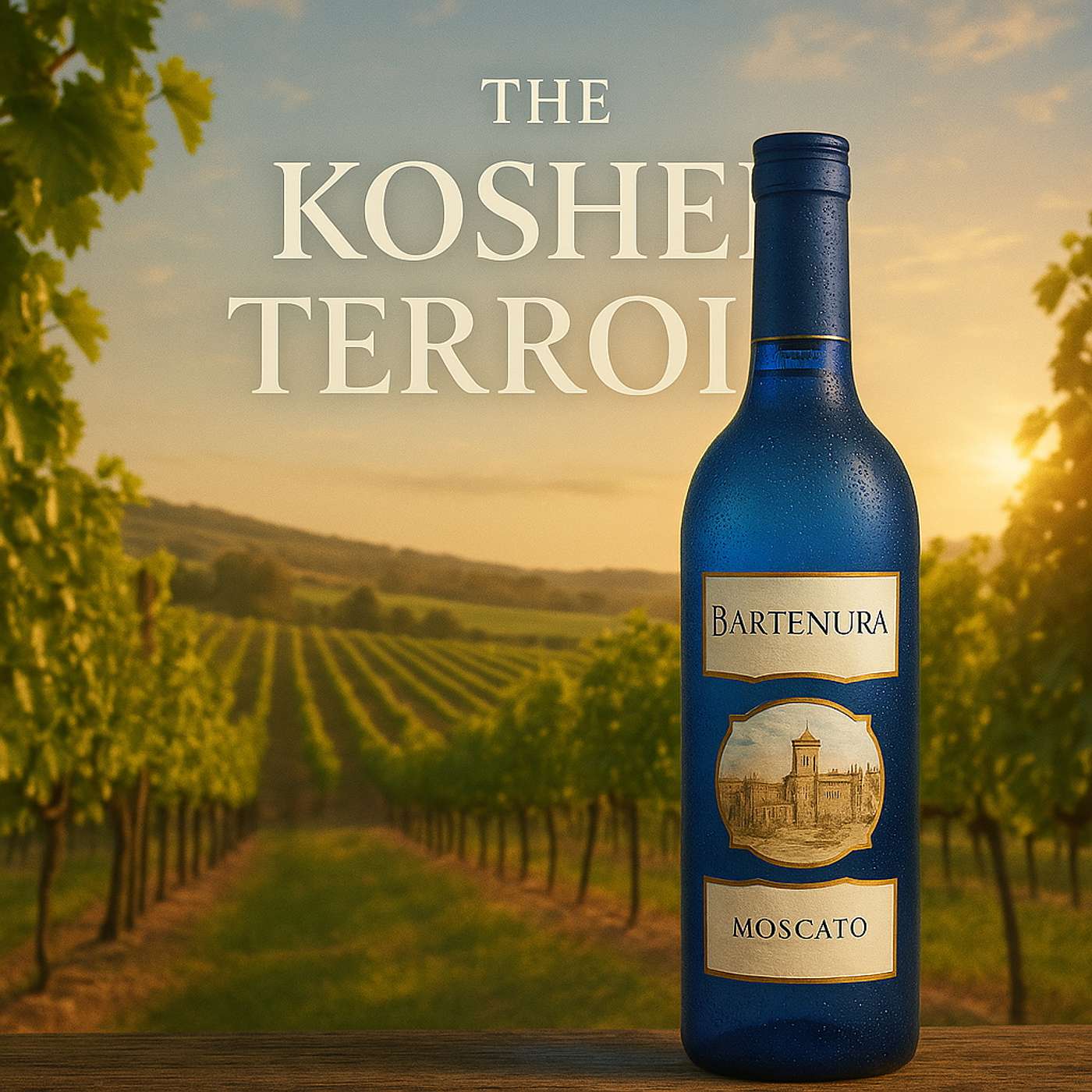
Sweet can be serious, as we look at Moscato’s long road from ancient Muscat vines to Piedmont’s low-ABV sparkle, and the cobalt-blue bottle that took kosher wine mainstream. Along the way, we explain why this fragrant style became a first-love wine for so many people who once felt intimidated by tannins, tasting notes, and cellar talk—and how it still manages to honor religious tradition all while elevating the mood of the moment. Muscat grapes harvested for aroma are gently pressed to preserve their perfume, then cooled for fermentation, which is paused early to retain residual sugar and natural CO2. All while abiding by DOCG guardrails for Moscato d’Asti. We contrast that rigor with the myth of “sugar water,” then taste it in detail—honeysuckle on the nose, white peach and citrus zest on the palate, a bright spritz, and a clean finish that invites another sip. The story widens from Bartenura’s pop-culture breakout to a full kosher Moscato category built by Israeli and Italian producers, plus smart packaging moves like cans and splits that brought wine into spaces once dominated by beer. We address critics head-on, reframing sweetness through the lens of purpose and pointing to a future of organically farmed, site-expressive Moscato at 8–9% ABV that keeps joy while adding depth. If you’ve ever rolled your eyes at a sweet wine, this conversation might change your mind—or at least give you a new glass to share. Enjoyed what you heard? Subscribe, share with a wine-curious friend, and leave a review to help more listeners find us. Then tell us your Moscato story on Instagram with #TheKosherTerroir or via email TheKosherTerroir@gmail.com.
The Vine Decline: Is This the Last Pour? (Voices 1)
The pop of a cork, the swirl in the glass, the scent of fruit, earth, and time captured in a single sip—wine has been the centerpiece of Jewish tradition for millennia. Yet something remarkable has happened in our lifetime: kosher wine has transformed from sweet ritual necessity to world-class luxury, collecting international medals and commanding respect from the most discerning palates. This transformation couldn't come at a more paradoxical moment. While kosher wines reach unprecedented heights of quality and prestige, global wine consumption is plummeting. From France to America, younger generations are turning away from wine entirely, opting instead for craft cocktails, premium spirits, and botanical beverages that deliver instant gratification without wine's perceived complexity. For kosher wine producers who have spent decades elevating their craft, this cultural shift presents an existential challenge. The industry must now balance tradition with innovation, finding ways to make wine feel relevant to a generation raised on customization, immediacy, and visual storytelling. From new formats and accessible language to collaborative experiences that highlight wine's unique ability to connect us to place and time, the future remains bright for those willing to rethink what luxury means in a rapidly changing world. Subscribe to The Kosher Terroir for weekly deep dives into the intersection of wine, tradition, and contemporary culture—because wine, like identity itself, is constantly evolving while staying rooted in what matters most.
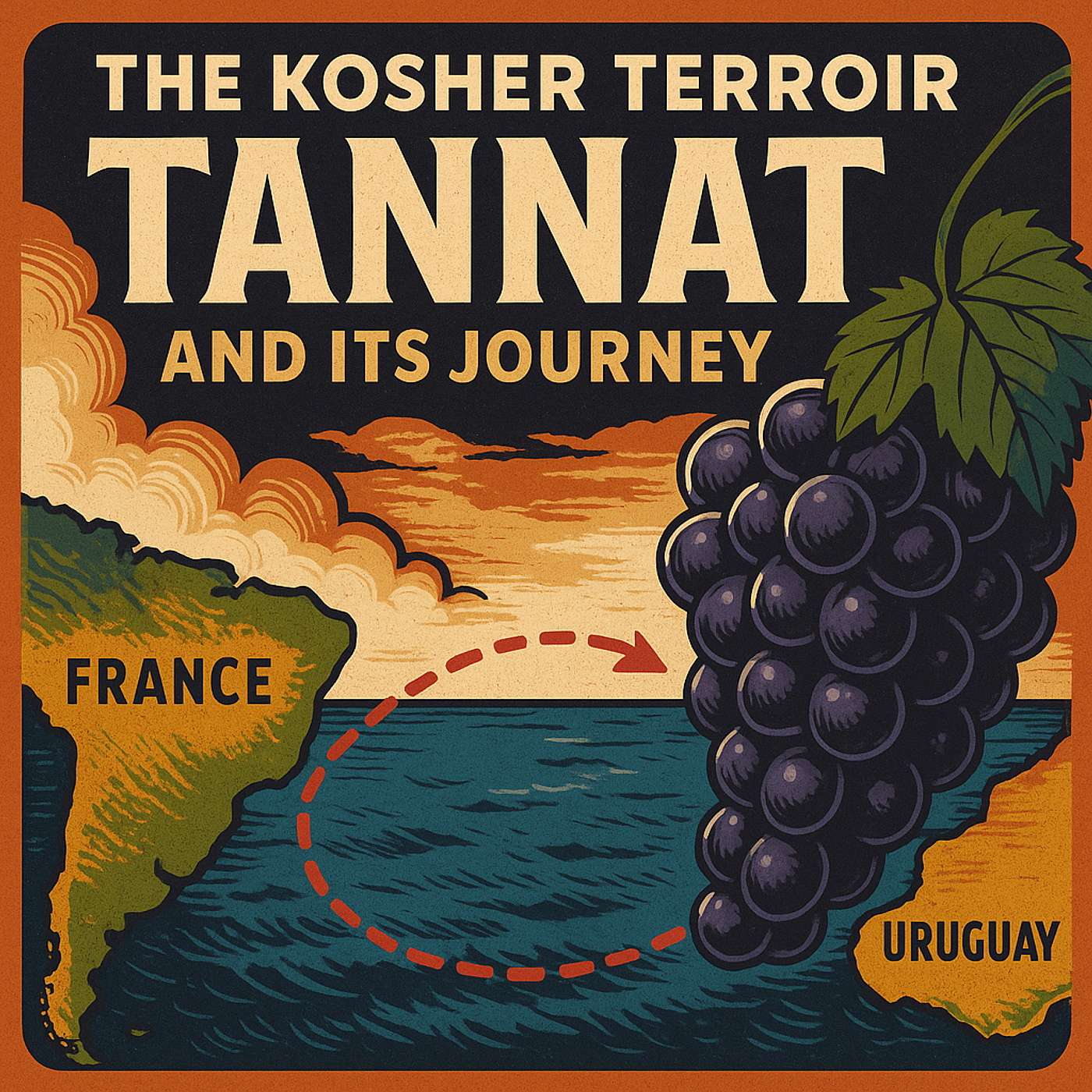
Beyond Cabernet: Why Tannat Deserves a Place at Your Table (Voices 1)
Dive into the extraordinary world of Tannat, a grape that commands respect with its bold structure, remarkable longevity, and fascinating journey across continents. While many wine enthusiasts gravitate toward Cabernet Sauvignon or Syrah, Tannat offers something profoundly different – a powerful red with ancient origins that challenges our assumptions about what bold wines can be. Tannat's story begins in the rugged foothills of the Pyrenees Mountains, where medieval monks cultivated this robust grape to fortify pilgrims traveling the Camino de Santiago. Known as "the black wine of Madiran," these wines were so densely tannic that sailors prized them for their ability to withstand long sea voyages without spoiling. But Tannat's most dramatic chapter opened in the 1870s when Basque immigrants brought cuttings to Uruguay, where the grape found its second home and evolved into something extraordinary – maintaining its power while gaining approachability and elegance. Today, Tannat stands proudly as Uruguay's national grape, much as Malbec does for neighboring Argentina. What makes Tannat particularly remarkable is its scientific distinction as the grape variety with the highest tannin content – often twice that of Cabernet Sauvignon – contributing not only to its structure and aging potential but potentially to health benefits linked to the "French paradox." Modern winemaking techniques have transformed what was once an austere, almost unapproachable wine into something that can show surprising finesse while maintaining its distinctive character. For kosher wine enthusiasts, Tannat represents an exciting frontier, with producers in Uruguay, Israel, and elsewhere crafting bold, age-worthy kosher Tannats that pair brilliantly with everything from traditional meats to unexpected companions like blue cheese and dark chocolate. Join us on this journey through Tannat's remarkable history, from ancient vineyards to modern innovations, as we discover why this once-obscure varietal deserves a prime spot in your wine exploration. Whether you're a seasoned collector or curious newcomer, Tannat's story of adaptation and resilience offers both sensory pleasure and a compelling narrative that mirrors the evolution of wine culture itself. Pour yourself a glass and discover why Tannat might just be the next great discovery in your kosher wine journey.
The Rebel Grape: Carignan's Journey from Outcast to Icon (Voices 1)
The grape that once dominated French vineyards has risen from obscurity to become one of the most exciting varietals in kosher wine. Carignan's story is one of remarkable transformation – from bulk wine scapegoat to artisanal darling. Born in northeastern Spain so long ago it gave its name to a town rather than the reverse, Carignan traveled through the Mediterranean basin adapting to new terroirs and playing crucial roles in viticultural history. By the mid-20th century, it became France's most planted grape before falling victim to its own success. Overcropped and mismanaged, it gained an undeserved reputation for harsh, tannic wines lacking distinction. For Israeli agriculture, Carignan proved invaluable during the First Aliyah of the 1880s. Baron Edmund de Rothschild imported French cuttings to help establish Jewish farming communities, with Carignan's resilience perfectly suited to Mediterranean conditions. For decades, it formed the backbone of Israeli wine, particularly for sacramental purposes, before being overshadowed by international varieties in the quest for prestige. Today, visionary winemakers have rediscovered this ancient varietal's true potential. Through careful farming of old bush vines, limited yields, and thoughtful vinification, they're revealing Carignan's extraordinary range – from powerful, structured reds reminiscent of top Rhône wines to light, chillable natural expressions, elegant rosés, and even rare white versions. What makes Carignan truly special is its chameleon-like ability to express terroir. The same grape produces wildly different wines in France, Chile, California, and Israel, each reflecting their unique growing conditions with remarkable transparency. Add its natural resilience to drought, heat, and disease, and Carignan suddenly looks like the perfect varietal for our changing climate. Whether you're exploring bottles from Vitkin, Tepperberg, or boutique producers in the Judean Hills, Carignan offers something authentically Mediterranean yet distinctly modern. In its journey from rejection to renaissance, it tells a quintessentially Jewish story of resilience, adaptation and rebirth – a narrative worth savoring with every sip.
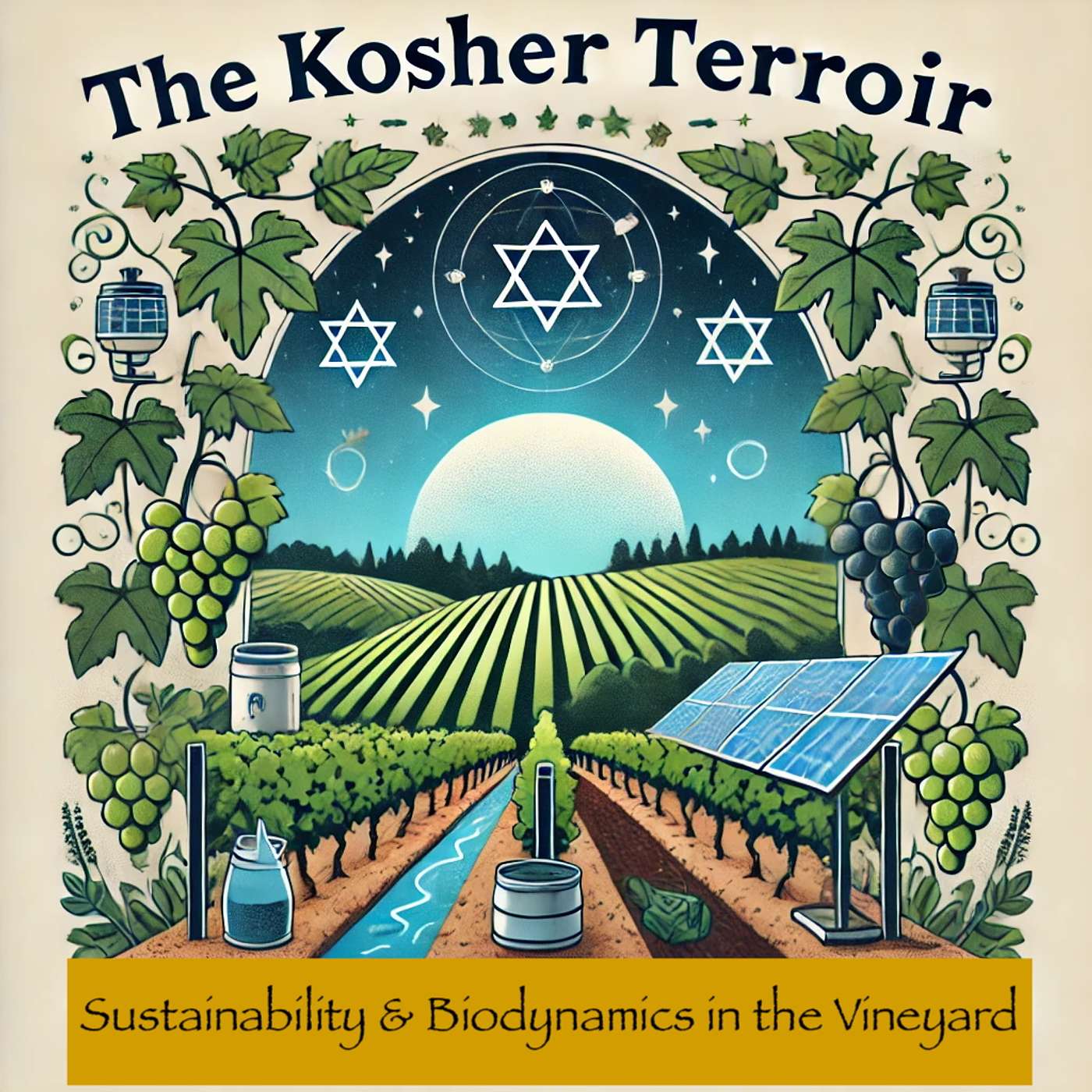
Sustainability and Biodynamics: The Hidden Ecosystem in Your Wineglass (Voices 1)
The world of kosher wine has embraced transformative approaches to viticulture that honor both ancient traditions and forward-thinking environmentalism. Sustainability isn't just a marketing term—it's a comprehensive philosophy that encompasses water conservation, solar energy, and holistic management, returning waste to the soil as nourishment. These practices create closed-loop systems where nothing is wasted and everything contributes to vineyard health. Even more fascinating is biodynamics, which incorporates cosmic rhythms into agricultural science. Biodynamic winemakers plant and harvest according to lunar cycles, bury cow horns filled with manure underground through winter, and use specialized herb preparations to stimulate vineyard vitality. While these practices might sound magical, prestigious estates like Château Pontet-Canet in Bordeaux (which produces remarkable kosher wines) have abandoned tractors for horses and embraced these methods with stunning results—wines of greater vibrancy, complexity, and sense of place. The next time you raise a glass of sustainable or biodynamic wine, pause to consider what you're truly experiencing. Beyond flavors and aromas lies an intricate story of stewardship, intention, and care—a wine that connects you to something larger than yourself. Subscribe to the Kosher Terroir podcast to continue discovering the hidden stories behind the wines you love.

Tzohar; Making Kosher Wine More Accessible (Voices 2)
In a groundbreaking conversation that challenges conventional thinking about kosher certification, Rabbi Yehoshua Grunstein reveals how Tzohar is transforming Israel's wine industry through a revolutionary yet deeply halachic approach to kashrut. After years serving Jewish communities around the world, Rabbi Grunstein discusses how Tzohar recognized a critical problem: many Israeli wineries simply couldn't access kosher certification due to impractical requirements that weren't actually mandated by Jewish law. The result? Fewer kosher wines and more Shabbat violations across Israel. Tzohar's solution maintains all essential halachic requirements—closing on Shabbat, following tithing laws, using only kosher ingredients—while permitting non-religious Jews to handle wine during production, a position with solid grounding in traditional sources. This thoughtful approach hasn't lowered standards; it's raised them by making kosher certification accessible to hundreds of establishments that previously operated outside any kosher framework. The conversation delves into profound questions about Jewish identity, inclusion, and the purpose of religious authority. As Rabbi Grunstein eloquently argues, "Sometimes a chumrah (stringency) leads to a kula (leniency)" when excessive requirements push people away from observance entirely. By treating winemakers with respect and focusing on partnership rather than policing, Tzohar has created a model of certification based on transparency, professionalism, and genuine care for both halacha and the Jewish people. Whether you're passionate about wine, interested in contemporary Jewish issues, or simply curious about how religious traditions adapt to modern challenges, this episode offers a refreshing perspective on building bridges rather than walls. Subscribe to hear more thought-provoking conversations that explore the intersection of tradition and innovation in Jewish life. For Additional Information: Tzohar Rabbinical Organization: A Religious-Zionist organization dedicated to strengthening Jewish identity among the Israeli public through an inclusive and open approach. The organization promotes accessible and equitable religious services and operates in areas such as marriage, kashrut, conversion, and halachic counseling, with the aim of bridging the gap between religious and secular communities in Israeli society. Rabbi Yehoshua Grunstein: Director of Development for North America Website: https://tzohar-eng.org/ Main Office: Israel: +972-77-775-6565 Tel for donations: 1-800-071-414 Fax: +972-8-915-2280 Address: 9 HaMelacha Street Lod 7152015 Israel Email: office@tzohar.org.il
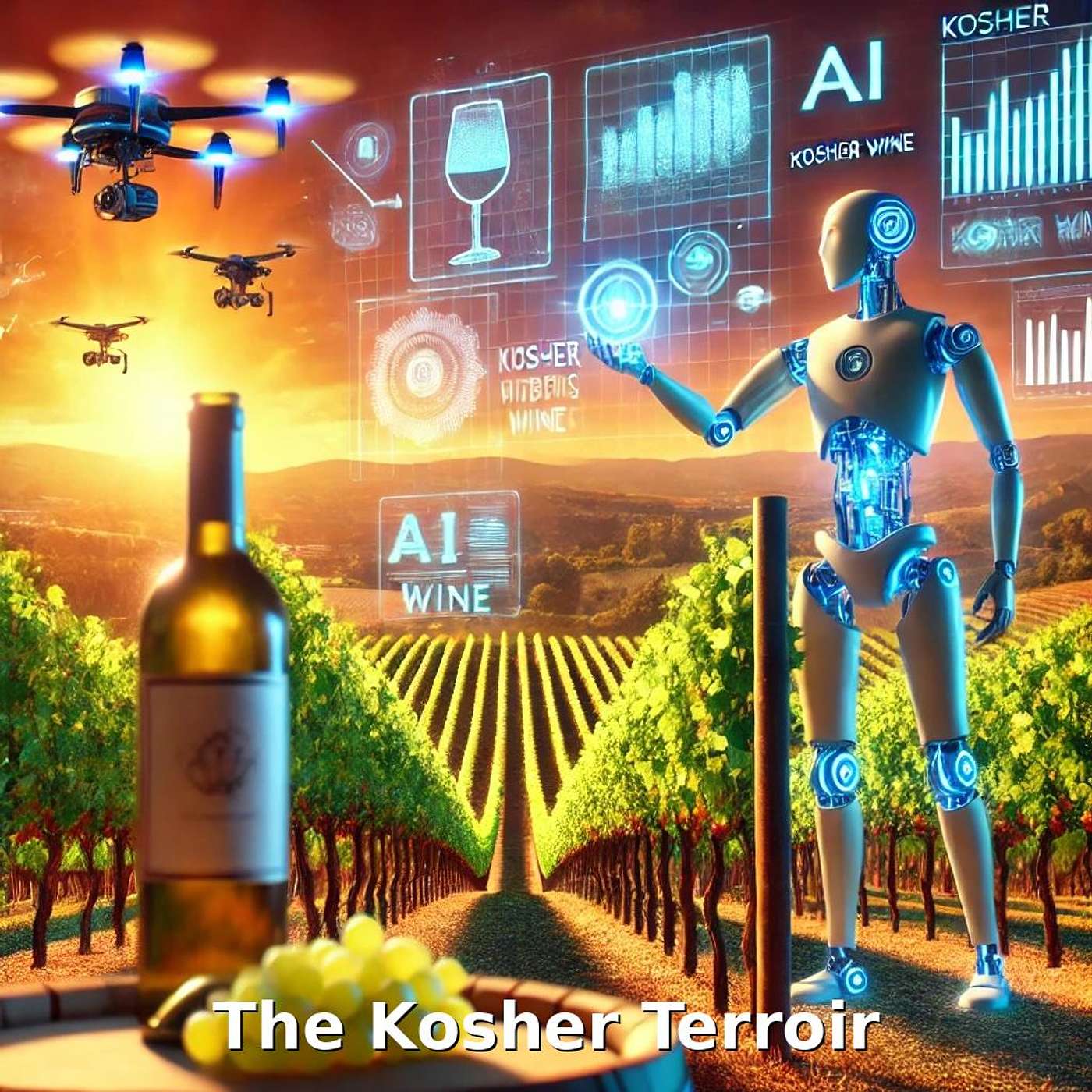
The Vineyard of the Future: How Technology Is Transforming Kosher Wine (Voices 1)
The vineyard of tomorrow is materializing before our eyes, and kosher wine isn't just keeping pace—it's positioned to lead this technological revolution. Imagine walking through a Galilee vineyard where robots delicately prune vines while AI algorithms track each grape variety's development. Picture winemakers wearing augmented reality glasses that display real-time data on sugar levels and hydration metrics. At the fermentation station, sensors fine-tune temperatures as machine learning predicts the perfect fermentation development curve—all while maintaining impeccable kosher supervision. This isn't science fiction—it's the emerging reality of kosher winemaking. As we explore ten groundbreaking innovations transforming the industry, from smart irrigation systems that conserve precious water in desert vineyards to blockchain technology creating unbreakable chains of kosher certification, we discover how technology is enhancing rather than replacing the sacred traditions of kosher wine production. We focus on how global challenges have accelerated transformation. October 7th disrupted Israeli agriculture and skilled workers were called to military service, technology became not just an innovation but a necessity. Drones now monitor vineyards too dangerous to access, while remote supervision technology helps rabbinical authorities maintain oversight when physical presence is impossible. For the kosher wine consumer of tomorrow, this technological revolution promises unprecedented transparency and connection. They'll scan a bottle to see a digital timeline of production, verify rabbinical supervision through blockchain, and experience kosher wines that compete on quality and values, not just certification. What emerges isn't just better wine—it's a more resilient tradition. By embracing these technologies thoughtfully, kosher winemaking isn't abandoning its sacred roots but ensuring they continue to thrive through challenging times. After all, what could be more kosher than using every tool at our disposal to create wine with greater intention, transparency, and reverence?
Purim's Rare Convergence: Na'afochu Time (Voices 1)
A rare convergence marks this year's Purim celebration as Jerusalem and the rest of the Jewish world unite on the same day—an event that won't occur again for at least two decades. This timing feels divinely orchestrated, arriving precisely when we need Jewish unity most, following more than a year of hardship since October 7th 2023. The stories of hostages who survived captivity mirror the ancient Purim narrative with startling clarity. Rachel Edry offering her captors homemade cookies during a 20-hour standoff; Yarden Roman Gat sacrificing her freedom so her husband could escape with their three-year-old daughter; Agam Berger lighting a single Hanukkah candle while in captivity. These modern heroes embody "Na'afochu"—the complete reversal of fortune that defines Purim's essence—where what was meant for destruction becomes the pathway to salvation. Against the backdrop of antisemitism on university campuses and a world that often responds to Israel's suffering with accusation rather than support, this Purim invites us to transform our celebration into purposeful action. We drink kosher wine not just for pleasure but as a declaration that our existence is not an accident but a miracle. Each bottle from Israel, France, America, or beyond represents not just tradition but resilience—the dedication of winemakers who continue creating despite challenges. When we raise our glasses, we do so for the hostages, for the soldiers, for all who cannot celebrate, knowing they would want us to find strength in unity and joy. Join our growing Kosher Terroir community as we explore the rich world of kosher wine through the lens of tradition, innovation, and shared passion. Subscribe to discover conversations with legendary winemakers, rising stars, and influential voices shaping the future of kosher wine. From Jerusalem to wherever you may be listening, we invite you to celebrate Purim with purpose and raise a glass to Achdut Yisrael and Am Yisrael.
A Wine Conversation with Joshua E. London (Voices 2)
Dive into the world of kosher wine like never before! In this episode, we chat with Joshua E. London, a seasoned wine and spirits writer, who takes us through the captivating evolution of kosher wines. From its early roots to the emerging trends and flavors of today, Joshua shares his unique insights into what makes kosher wine special, how it reflects cultural identity, and why different flavors play a vital role in the tasting experience. Explore the craftsmanship behind every bottle as Joshua uncovers the stories of the winemakers dedicated to creating exceptional kosher wines. We delve into the challenges these artists face and the balance between tradition and innovation they've embraced to cater to modern palates. Whether you're a wine enthusiast or just curious about kosher wines, this engaging discussion promises to deepen your understanding and appreciation. Join us for an adventurous sip of knowledge and prepare to expand your palate—your next favorite kosher wine awaits! And don’t forget to subscribe, share your thoughts, and tell us what wine you’re hoping to try next! For More Information: Joshua E. London Wine & Spirits Writer email: joshlondon246@gmail.com Phone or WhatsApp : +44 (0) 7547 212870 (UK) / +1 (202) 441-5364 (USA) Facebook: https://www.facebook.com/share/18oggBToWn/?mibextid=wwXIfr Instagram: Instagram.com/joshuaelondon Substack: https://joshuaelondon.substack.com/
The Rosé Renaissance (Voices 1)
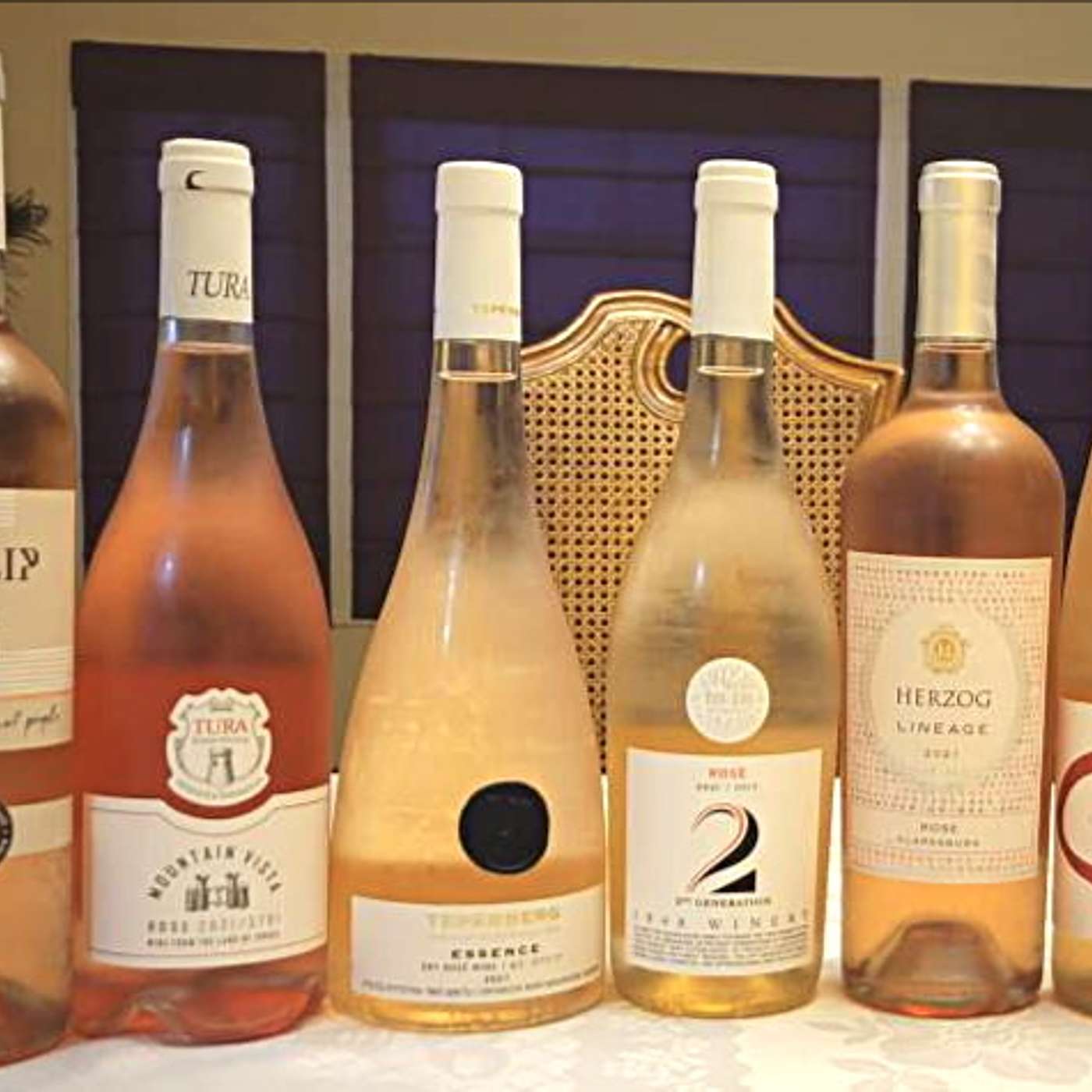
Join me, Simon Jacob, as we uncork the rich and vibrant tale of rosé wine, from its ancient origins to its sophisticated status in Greek and Roman times, and onward to its revival as a symbol of laid-back luxury. We journey through the vineyards of Provence where monastic winemakers crafted wines close to today's rosés, and explore how regions like Israel and the United States are producing exceptional kosher rosés, showcasing the adaptability and artistry behind this beloved wine. We'll traverse the fascinating evolution of rosé, from its golden era in 17th century France to its misunderstood phase in the 20th century, culminating in its recent renaissance spearheaded by Provençal producers. Discover the innovative winemaking techniques emerging from the Golan Heights in Israel and hear captivating stories, including the serendipitous origins of rosé and its role in the world's first rosé festival. By the end of our exploration, you'll also have a new appreciation for rosé's surprising food pairings, proving its versatility beyond the expected—think spicy dishes and even fried chicken. Whether you're a seasoned rosé aficionado or just beginning to explore its vibrant world, there's something here for you to savor and enjoy.
Champagne the Origin Story... (Voices 1)
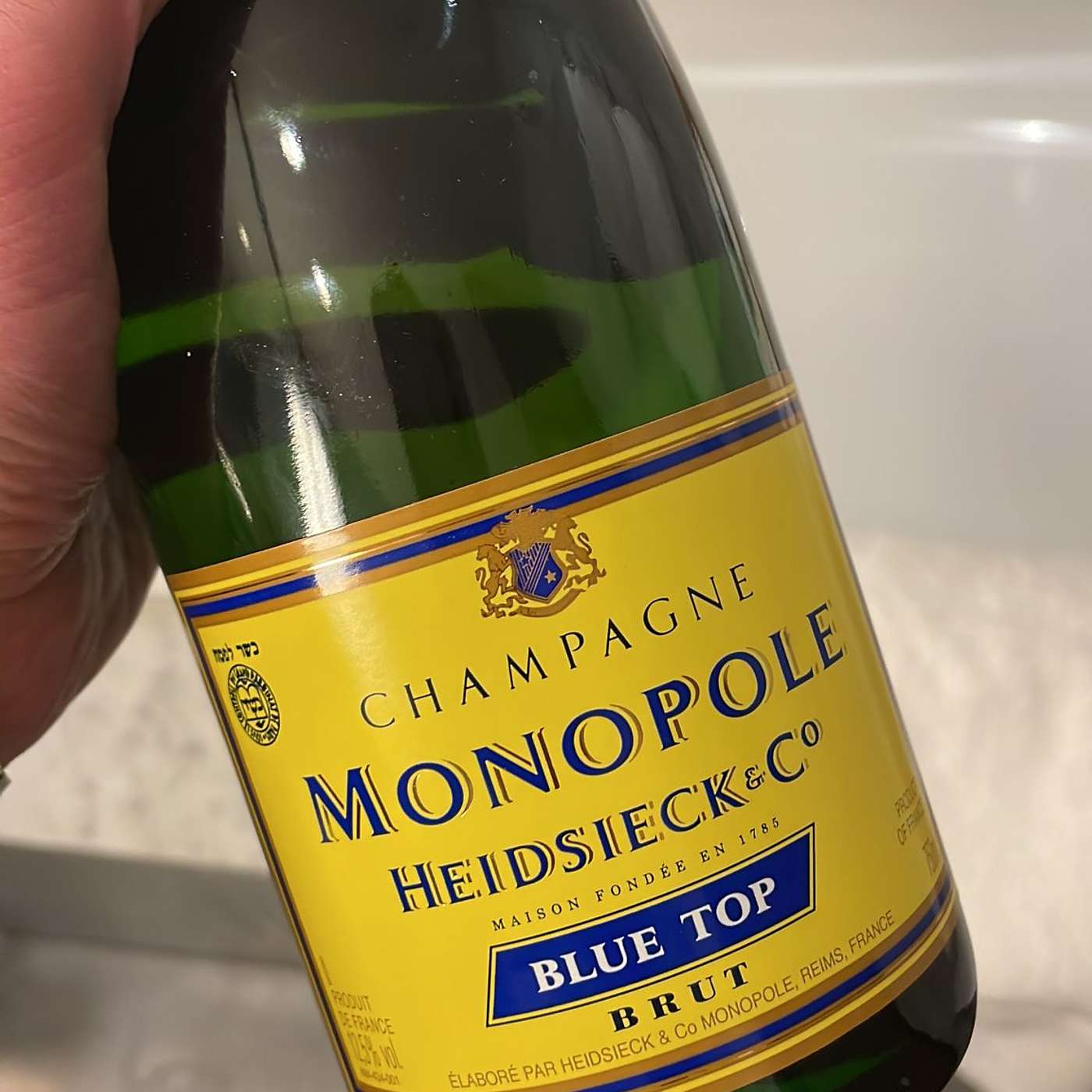
Welcome to The Kosher Terroir , your passport to the stories, traditions, and tastes of kosher wine from around the globe. I’m Simon Jacob, and whether you’re a seasoned sommelier, a passionate wine enthusiast, or simply someone looking to add a little sparkle to their day, you’ve arrived at the perfect place. Today, we’re taking a deep dive into the effervescent, celebratory world of Champagne and sparkling wines. This episode promises to pop with fascinating stories, deep insights, and of course, plenty of bubbly inspiration. Have you ever wondered how those delicate bubbles are made, or what it is that makes Champagne so special? From the meticulous artistry of the M éthode Champenoise to the rustic charm of M éthode Ancestrale, today we’ll explore the processes that make Champagne—and its sparkling cousins—so remarkable. Along the way, you’ll hear stories about legendary bottles like the 1928 Krug, Madame Clicquot’s game-changing innovation, and how Champagne cellars became hiding places for both treasures and people during World War II. We’ll delve into some of the finest kosher sparkling wines, like the elegant Jeeper Rosé, the versatile Herzog California Champagne, and Israel’s own Yarden Blanc de Blancs. Whether it’s a bottle of bubbly from Drappier, Laurent-Perrier, or Baron Herzog, these wines prove that kosher bubbles are every bit as refined and complex as their non-kosher counterparts. If this is your first time joining The Kosher Terroir , welcome! Stick around to discover why wine isn’t just a drink, but a story that connects culture, history, and flavor. And for my loyal listeners, thank you for being part of our growing community. Be sure to check out our past episodes—there’s a cellar full of amazing conversations and deep dives waiting for you. So grab your favorite glass, whether it’s a classic flute, a coupe, or a simple wine glass, and join me as we uncork the world of Champagne. Get ready to toast to tradition, innovation, and all the little celebrations that make life special. This is The Kosher Terroir , and I’m thrilled to have you along for this sparkling journey.
Wine Storage, Wine Storage, What you always wanted to Ask (Voices 1)
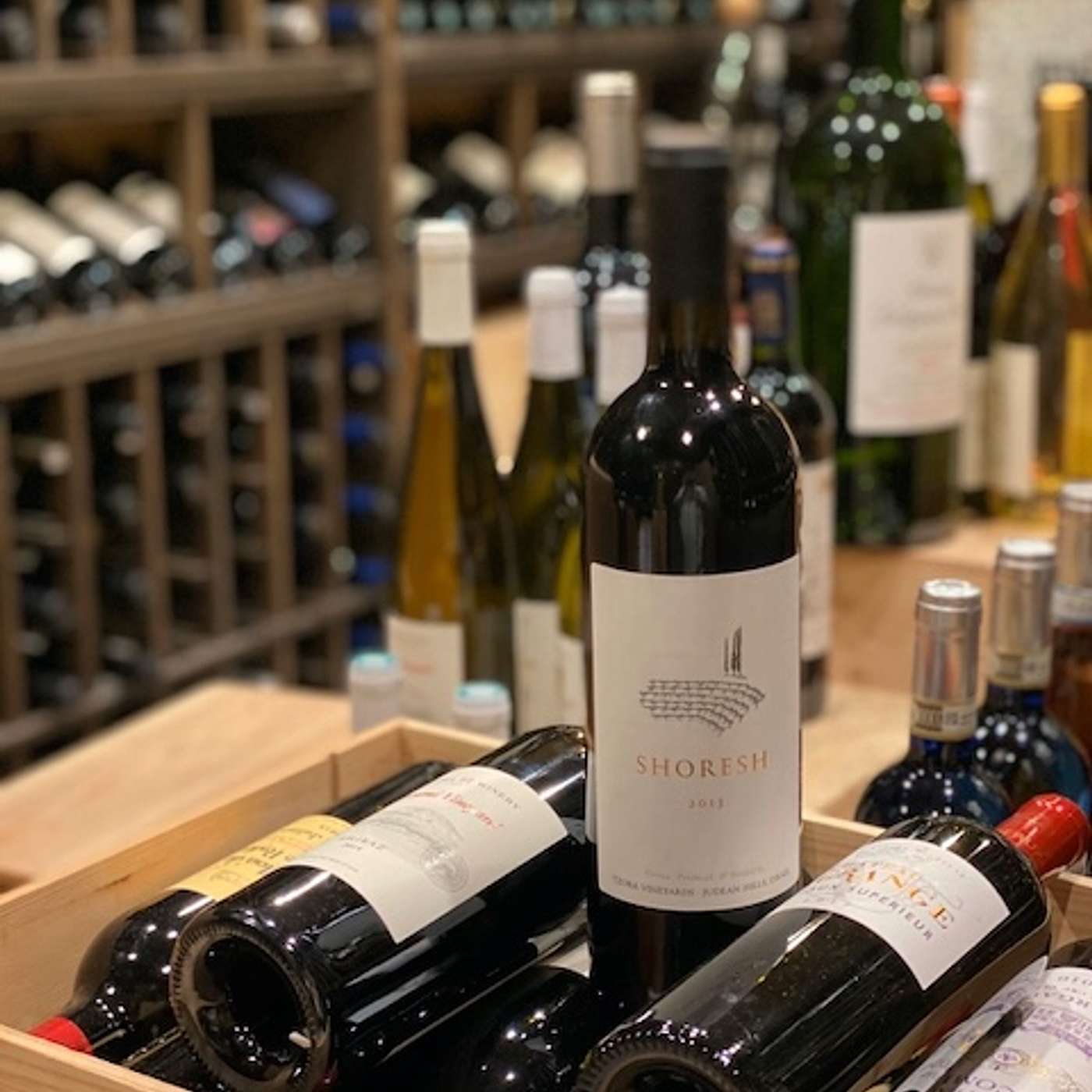
Unlock the secrets of wine preservation with me, your host Simon Jacob, as we navigate the delicate art of keeping your bottles at their best. From the bustling energy of Tel Aviv to the serenity of your own home, this dialogue is a deep dive into the factors that protect the essence of each varietal. We tackle the conventional wisdom on temperature, challenging you to consider the underappreciated role of vibration and humidity in maintaining your wine's integrity. By the end of our conversation, you'll not only understand the hows but also the whys of wine storage, equipped to curate an environment that honors both the science and the spirit of oenology. As we explore the romantic dance of aging wines, discover pragmatic solutions to store your collection without breaking the bank and learn which treasures to uncork now or let mature like a fine narrative. Whether you're a casual sipper or a serious collector, our tailored advice will resonate with your personal wine journey. We peel back the layers on creating a cellar that grows with you, from humble beginnings to sophisticated climate control. So pour yourself a glass, and let's toast to the future of your impressive, well-preserved collection.